Practical
Notes use ordinary situations rather than technical theatre.
Independent information only
Practical editorial notes about communication boundaries, consent and thoughtful sharing. This site does not ask for private details or provide third-party entry assistance or offer a contact-number service.

What this guide is for
Phone numbers can travel further than a single conversation. A useful starting point is not a trick or workaround; it is a clear question about context, consent and the boundary a person wants to keep.
Notes use ordinary situations rather than technical theatre.
Privacy is framed as a relationship and consent question.
Complex ideas stay readable without inflated claims.
Editorial approach
Ask what kind of conversation is happening and who is expected to be part of it.
Decide what information feels appropriate to share in that setting and what does not.
For service settings, rely on current documented information from the relevant provider.
A person should be able to pause, change a setting or choose another route without pressure.
A privacy timeline
Separate a one-off conversation from an ongoing relationship before information is handed over.
Let the other person understand what is being shared and why.
Review whether the arrangement remains comfortable rather than treating it as permanent.
Reading official information or asking a general question can be more useful than making a rushed decision.
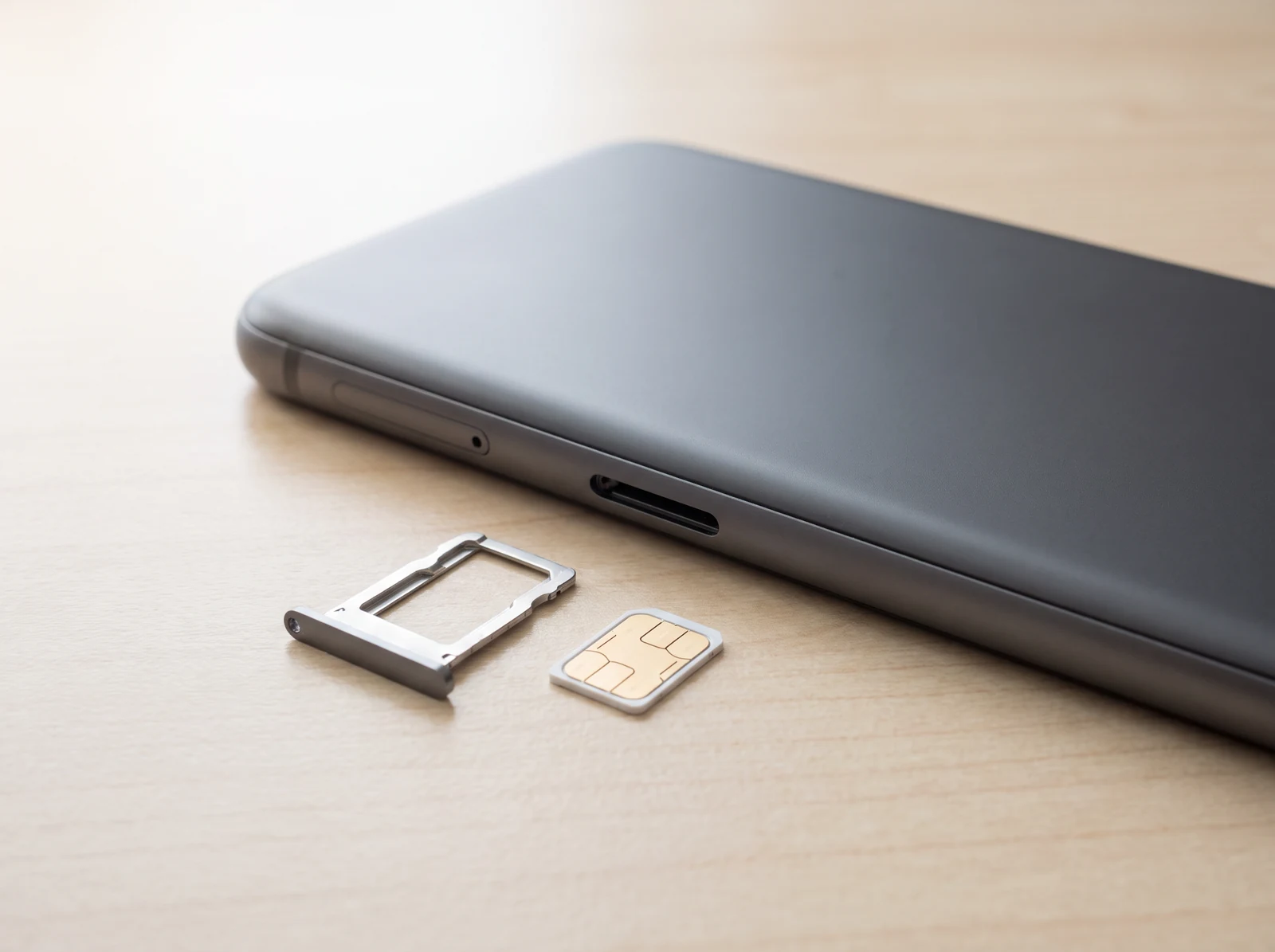
How to read a privacy choice
Why this matters
A person does not have to make a broad decision in a narrow moment.
The purpose of a conversation can be named instead of assumed.
Communication choices can fit the relationship and setting in front of you.

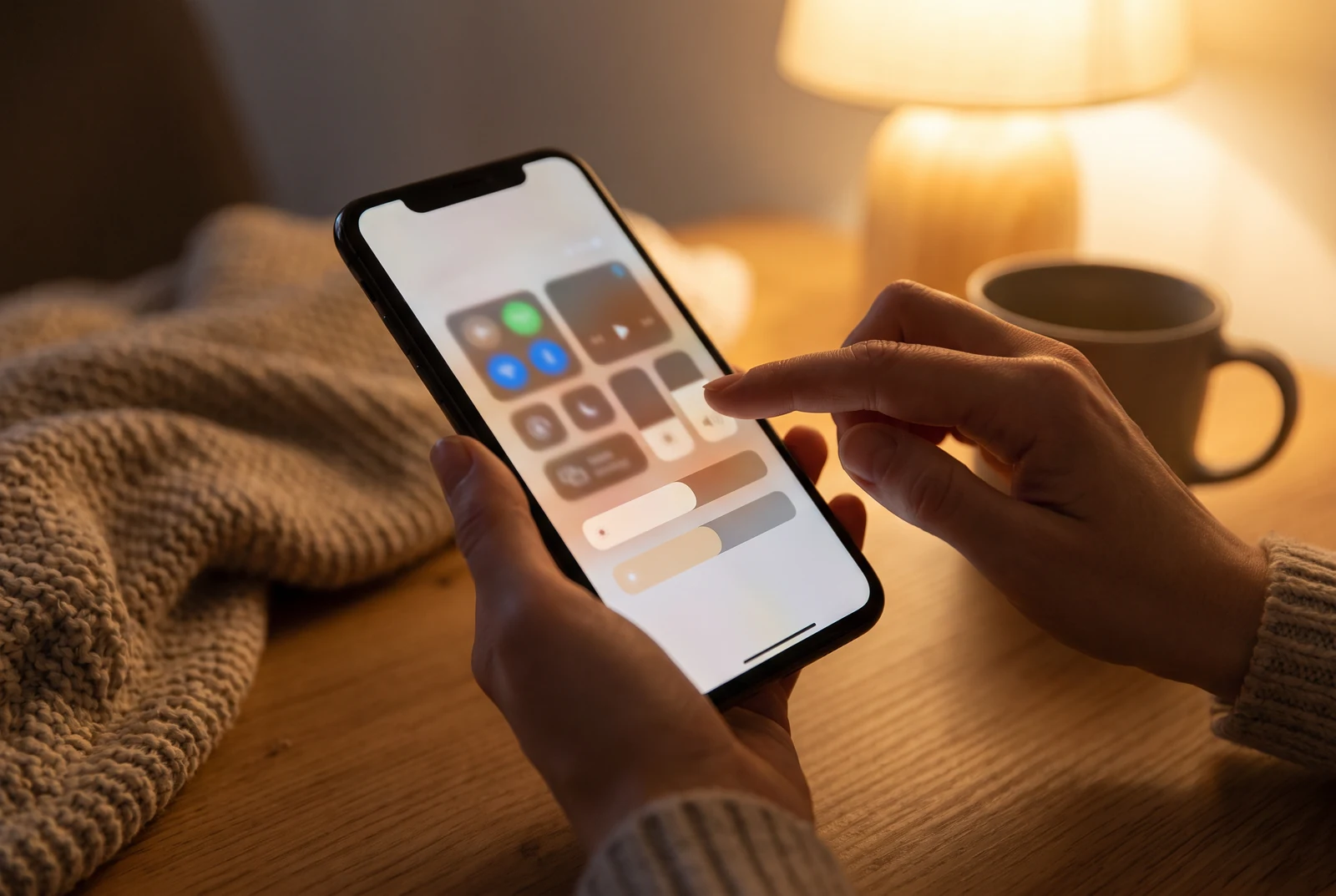

A change in framing
Under pressure
With a clear question
Reading shelf



Frequently asked questions
General contact
The local form is for ordinary feedback about this guide only. It does not send or store what you write. For the placeholder contact route, use [email protected].